Also for
Build your environmental file in a system, not in a spreadsheet
A junior company carries obligations long before production:
- field inventories and characterization campaigns;
- planning of the work to be shared with the host community;
- baseline;
- notice of intent;
- impact assessment commitments.
With a small team and consulting firms that change from one mandate to the next, the structure you choose today determines the value of the file tomorrow.
What changes for you
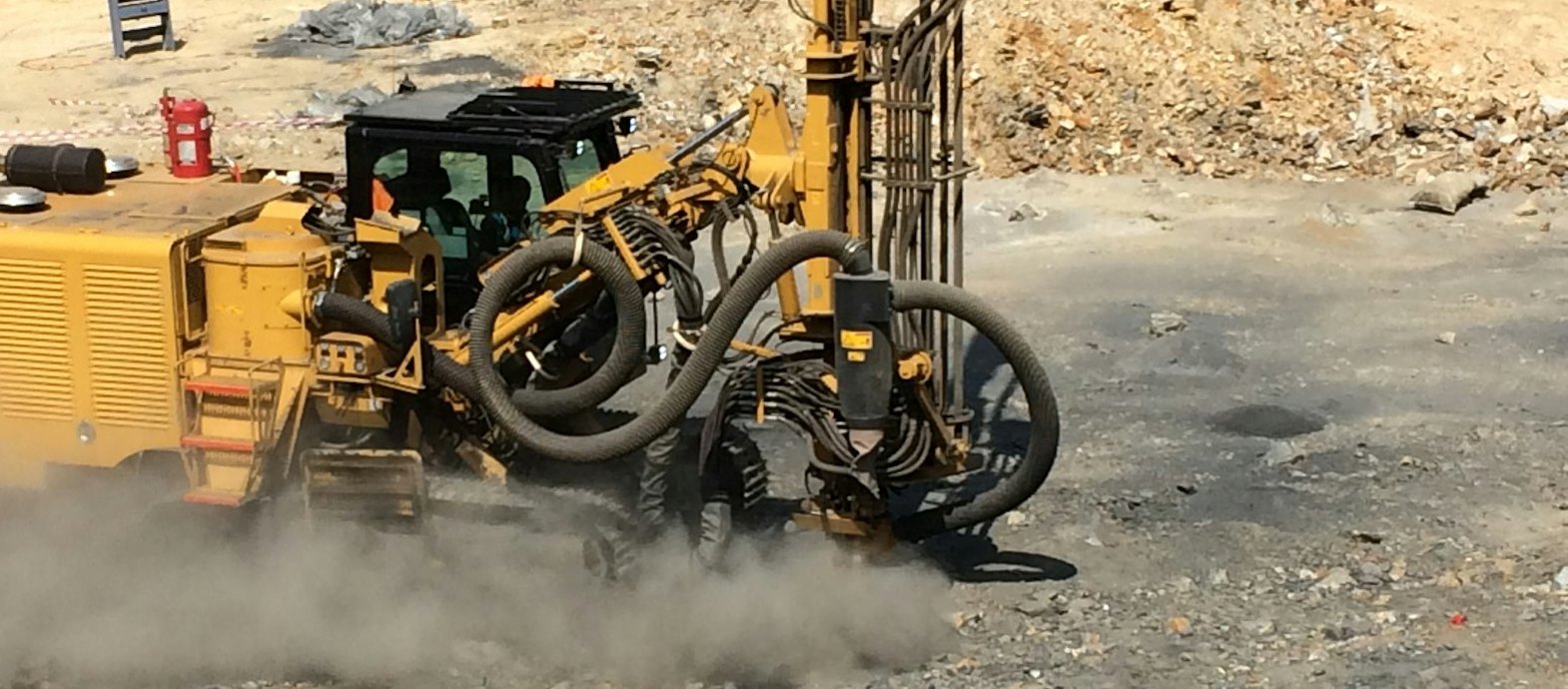
Most sites in production started their file in Excel spreadsheets. It was the normal way of doing things, and it held up for a few years. But a file survives neither time nor people: it gets duplicated, renamed, follows someone who leaves, and no one knows any more which version is authoritative. Ten or fifteen years later, everything has to be restructured from data whose authors are gone. A junior starting now can avoid that detour.
Obligations start at the exploration stage
Since Bill 63, the holder of an exploration right sends its annual work plan to the municipalities and communities concerned before starting, then a report every year. Beyond certain stripping or sampling thresholds, environmental authorizations and a rehabilitation and restoration plan become necessary.
The baseline is being built now
Data gathered before the work begins is the point of comparison for the entire life of the project, from the impact assessment thresholds to the restoration criteria. Scattered across consultants' reports and campaign files, it loses value at the very moment it becomes most useful.
The notice of intent calls for substance from the start
Every new mine now goes through environmental assessment, and the notice of intent requires a structured list of impacts, alternatives and a consultation plan. A junior that has structured its inventories and commitments arrives with a solid base rather than a last-minute compilation.
The file will be examined
Financing, a partnership agreement, an agreement with communities, an acquisition: at every stage, someone from outside will open the environmental file. A structured file can be handed over and presented as an asset. A collection of files is hard to negotiate with.
The message
Field tools from the very first campaign
From the start, Enviro includes:
- the offline mobile app;
- inventory forms;
- geolocated measurement points;
- automatic linking of laboratory results.
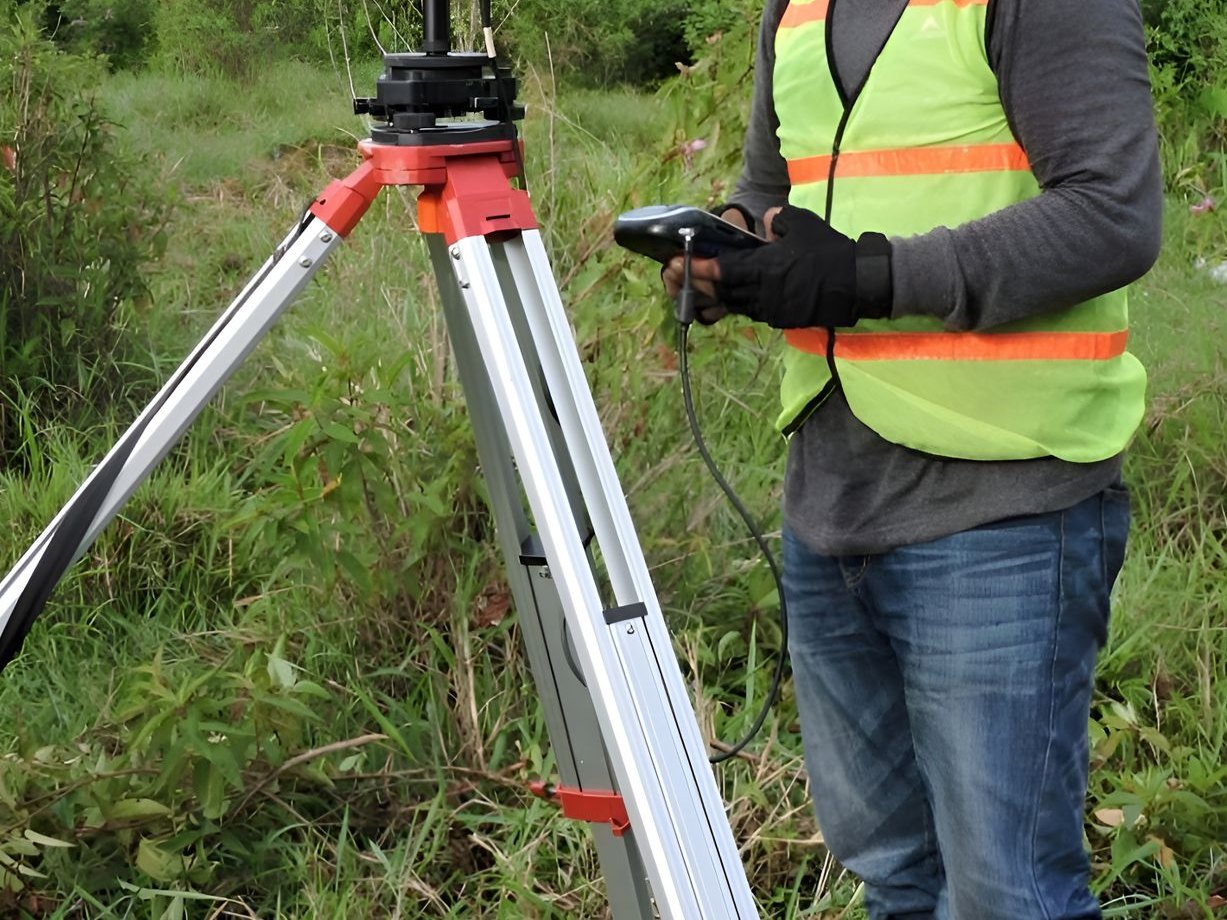
A team in the field enters its very first data point in the right place. Mandated firms upload their results to the same system, so the data stays with the project when the mandate ends. Later, the impact assessment commitments become tracked requirements, and the conditions of the first authorizations become dated tasks. Data collected today stays comparable twenty years from now, with its author, its date and its measurement point.
What gets structured now serves every stage
You're at the beginning. It's the best time
The demo starts from your current program, even if it fits on a few pages. We look at what you already collect and at what should be structured now so you never have to go back to it.