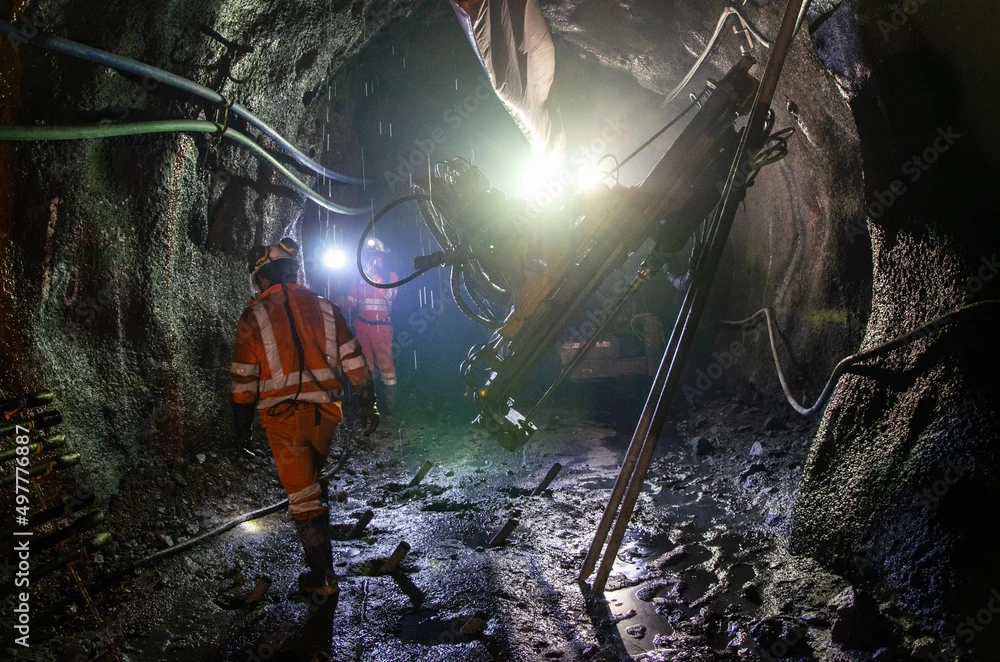
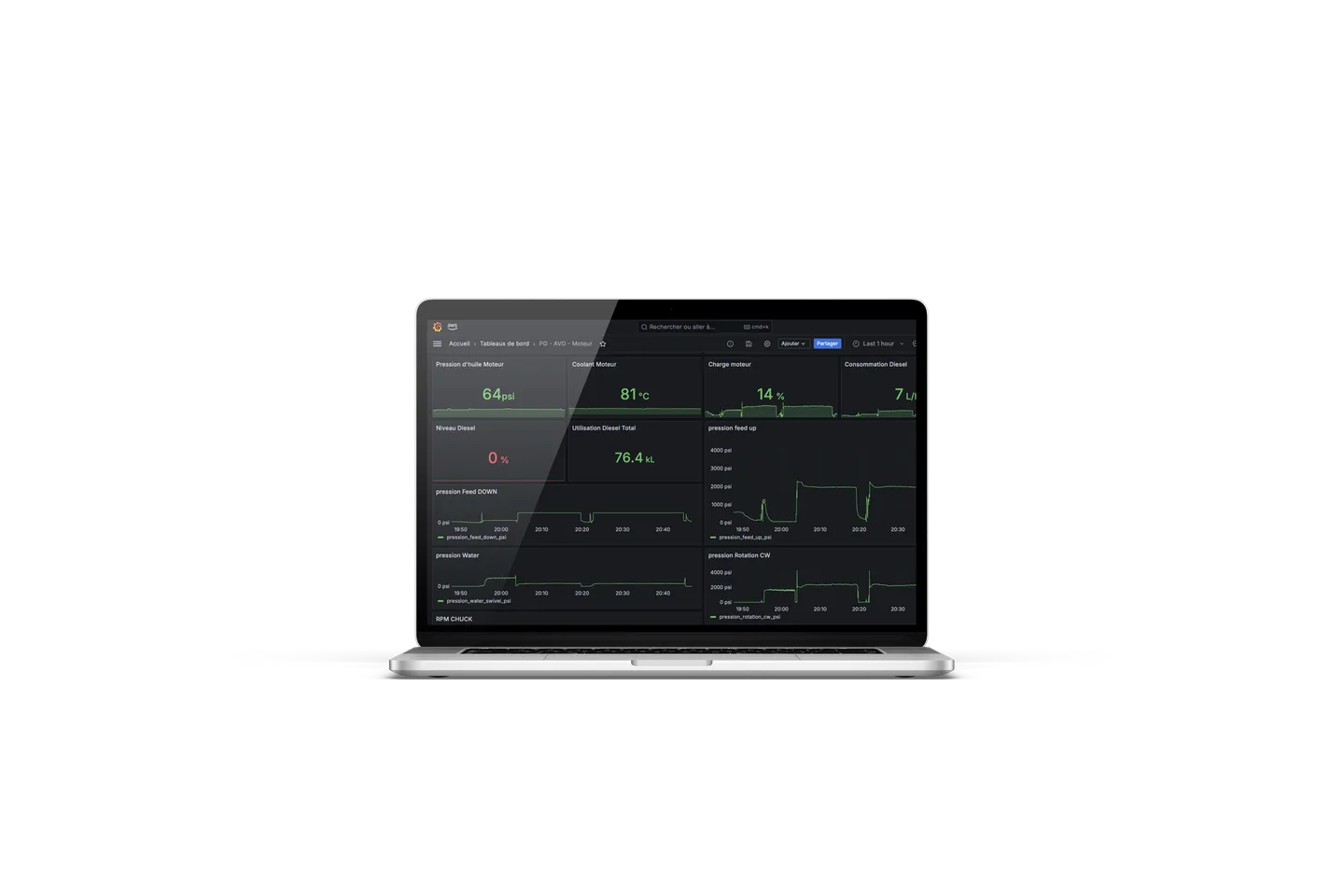
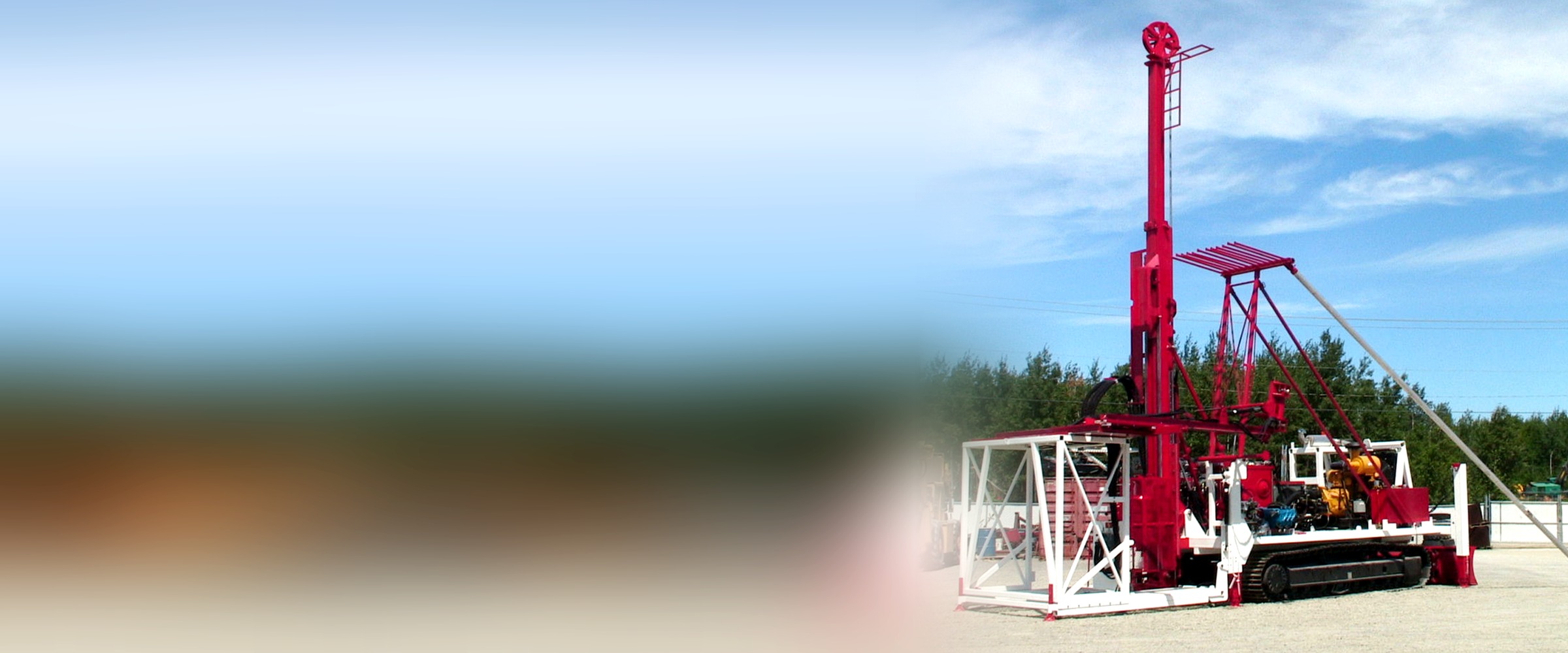
Atelier Val-d’Or is equipping its drill rigs with a telemetry system that continuously measures, records and analyzes drilling parameters. The goal is to use field data to identify the operating behaviours and methods that deliver the best performance under the conditions encountered. The collected data is used to compare sequences and practices, recognize optimal behaviours and build reference profiles tailored to equipment, ground types and operating conditions. The project then provides tools to transfer these practices to every drilling crew.
Two operators on the same drill rig, under comparable conditions, do not get the same results.
| Client | Atelier Val-d’Or |
| Timeline | June to September 2025 |
| Scope | Onboard telemetry, drilling data acquisition, dashboards and practice transfer tools |
| Target | Reduce variability between operators and standardize drilling best practices |
The challenge: drilling performance still depends on individual experience
Drilling operations rely heavily on each operator’s individual experience. This leads to significant variability in work methods, equipment performance and the quality of results.
Two operators using the same drill rig under comparable conditions may manage pressure, speed, penetration and other drilling parameters differently. The effects are direct: productivity, equipment wear, energy consumption and drilling quality.
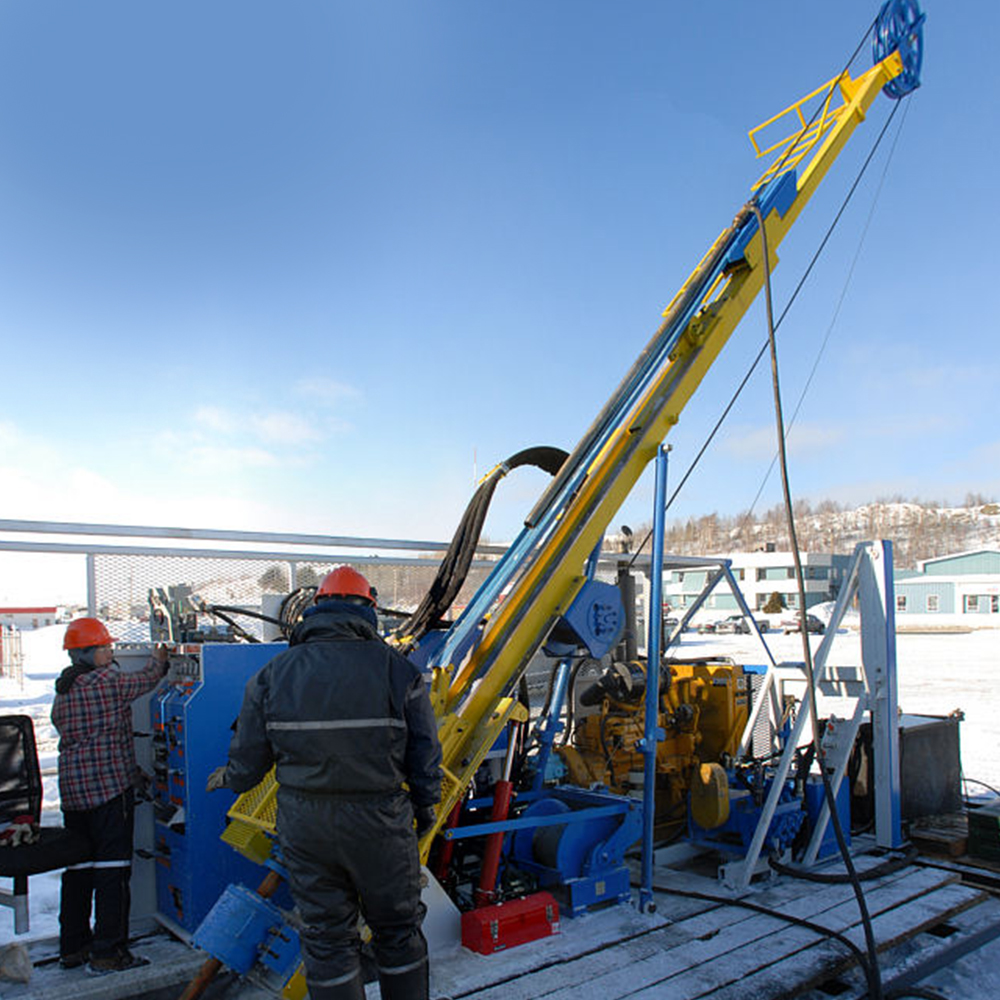
Yet the data needed to objectively understand these gaps is often limited, scattered or underused. That makes it hard to identify the practices that deliver the best results, formalize them and, above all, transfer them to other crews.
The solution: instrument the drill rig, then connect the data
- Onboard computer: installed on the drill rigs, with 4G and 5G mobile connectivity, a local Wi-Fi network and GPS positioning.
- Real-time multi-sensor acquisition: the machine’s sensors are read continuously through the CAN bus.
- Time series: measurements are fed into the data warehouse, with traceability and historical archiving.
- Operational dashboards: drilling parameters are visible in real time.
- Drilling quality indicators: performance is no longer judged solely on the end result.
- Drilling recipes: selected parameter sets are managed and reusable.
- Machine learning: a pipeline makes use of the accumulated data.
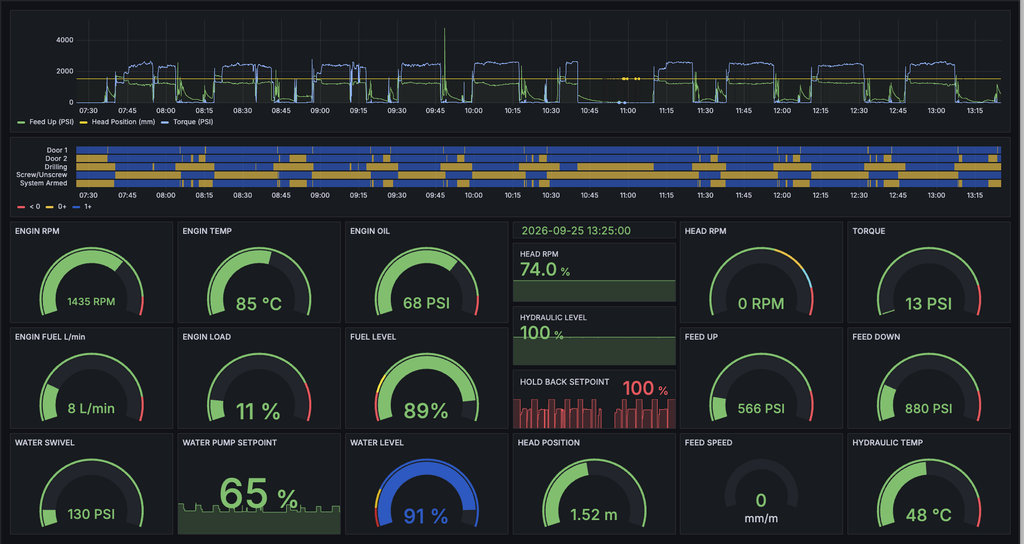
From raw data to transferable practices
The collected data is first used to compare operating sequences and practices. The behaviours that deliver the best results are then recognized and formalized into reference profiles, tailored to equipment, ground types and operating conditions.
Building on these profiles, the project provides tools to transfer and replicate these practices across all drilling crews: performance indicators, recommendations to operators, and coaching and training mechanisms based on real operating data.
What the project aims for
- Drill rig control that moves toward autonomy.
- Data governance that creates value rather than archives.
- Standardized best practices and reproducible optimal behaviours.
- Better drilling quality.
- Less unplanned downtime.
- Faster skills development for personnel.
Technical composition
Onboard | iWave and IMX platform, Telematic Gateway module and communication antenna, lab-tested |
| Acquisition | Machine CAN bus, LTE onboard computer with local Wi-Fi and GPS positioning |
| Processing | Cloud processing and storage infrastructure, time-series warehouse |
| Annotation | Desktop application for annotating telemetry data |
| Restitution | Drill’s dashboard |