Reporting
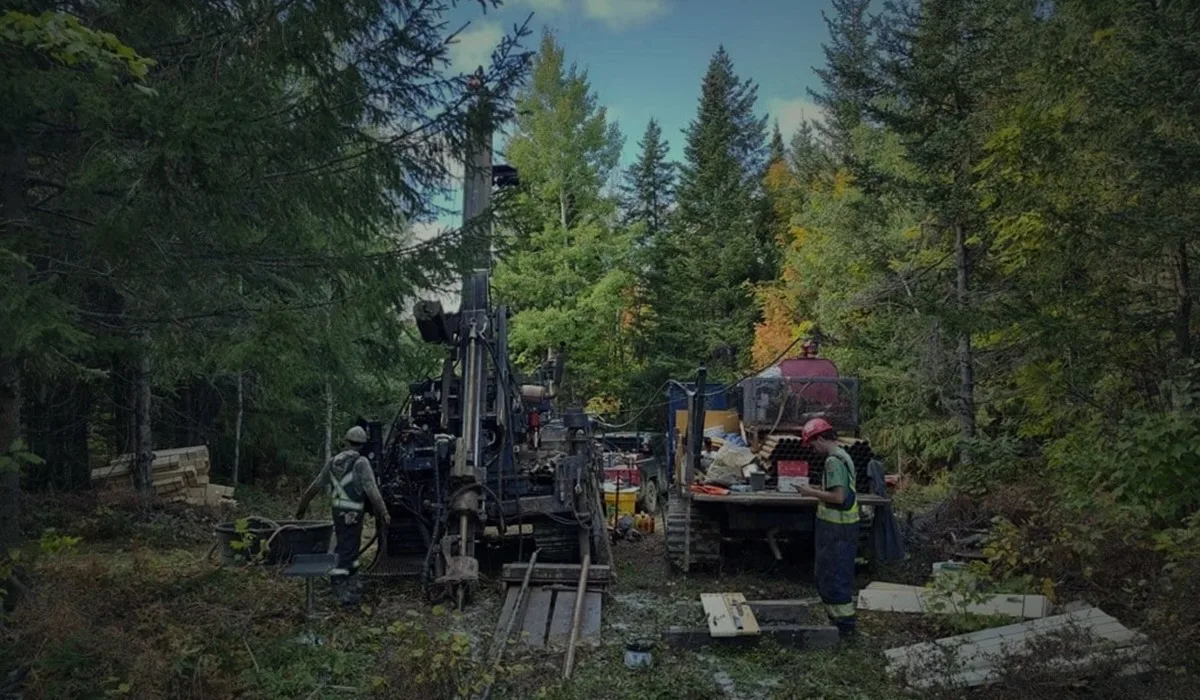
A spill, an equipment anomaly, a non-compliance: reported in seconds, with photo and location, whatever the contractor or site.
A junior's work, as it really is
You manage drilling, environmental and engineering contractors spread across a vast territory, with a team that's already wearing too many hats. Spotd centralizes everything your trades report, so nothing gets lost between the field and your office.
It's a team that simply doesn't have time to chase down the information each contractor keeps to itself.
A junior hires a drilling contractor, an environmental firm, sometimes an engineering team, on claims spread over hundreds of kilometers. Each has its own pace and its own forms, and keeps its information in its own silo.
Investors want results to disclose, regulators want proof of compliance. Your inspections and environmental monitoring need to come out right away, not be rebuilt from emails and paper scattered across three contractors.
Pressure from every direction
As soon as the team grows past fifteen or so people spread across several contractors, the CEO loses track of what's really happening in the field: tasks fall through the cracks, not every inspection is tracked, anomalies surface late, or not at all.
What changes, in practice
| Each contractor keeps its forms to itself | Every trade reports into a single system |
| Equipment inspections are tracked in a notebook | Inspections are digital, tracked and logged over time |
| Compliance reports are assembled by hand before every deadline | Reports are generated automatically from the field |
| A spill or an anomaly is known too late | Information surfaces in real time, whatever the site |
| The CEO has to chase three contractors for a complete picture | The CEO has a complete picture of the territory at a glance |
What it means for your junior
That's exactly why now is the right time. It's much easier to structure things before informal habits with your contractors get too entrenched.
No classroom training needed. The contractor reports in minutes in the field, the very first time they use it.
It isn't an IT project; it's a field tool. An undocumented incident or non-compliance already costs more than the tool.