The mining industry facing the technology innovation challenge
No surprise here: mining companies have to increase productivity while meeting ever stricter safety standards, reducing their environmental footprint and answering the expectations of communities and investors.
In that context, mining equipment manufacturers and contractors play a decisive role: they are the ones who design and deploy the equipment, software and services operations can’t do without. Their improvement projects carry major investment, so it would be entirely counterproductive for the technology innovations brought into the sector to run out of steam and struggle to adapt to change.
Incompatible tools, systems that are hard to update, excessive dependence on a single vendor… These pitfalls erode trust and drive costs up. To become genuine strategic partners, suppliers need to aim at building durable technology tools that resist obsolescence and are made to last.
Designing mining technology that resists obsolescence
Technological durability in mining isn’t limited to how rugged a sensor is or how reliable a piece of software is. It means those tools and machines can evolve over time. Best practice in development and management shows that a durable tool has to be modular, interoperable, and designed from the outset to fit into a complex environment. It has to be able to absorb regulatory change, keep up with new safety standards, handle growing data volumes and answer the way practices evolve on mine sites.
For the leadership of equipment manufacturers and contractors, this approach is a major challenge: it isn’t only about delivering a high-performing product quickly, but about supporting mining companies in a long-term partnership.
Concrete applications in mining equipment
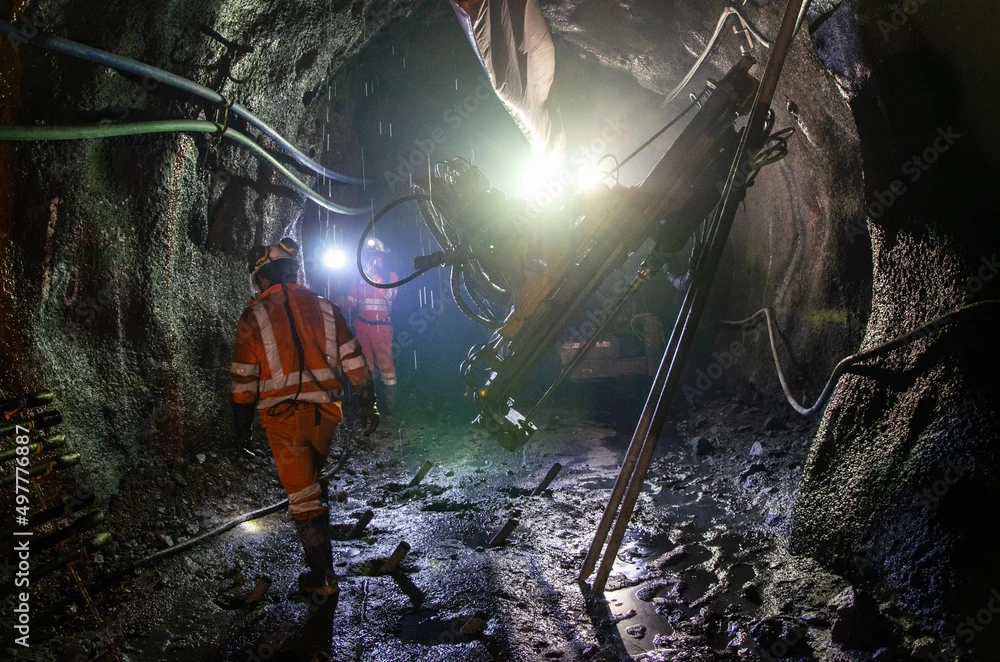
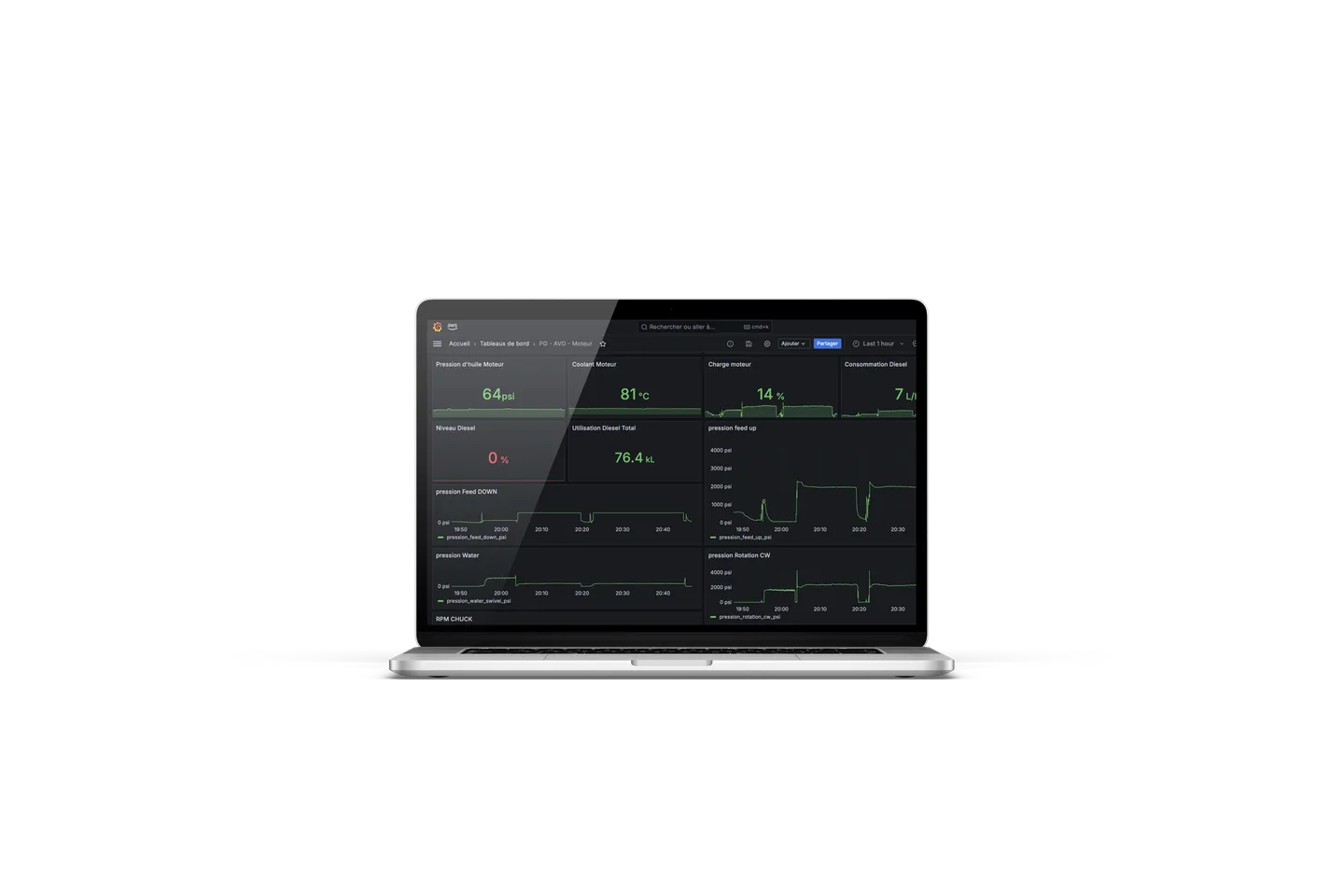
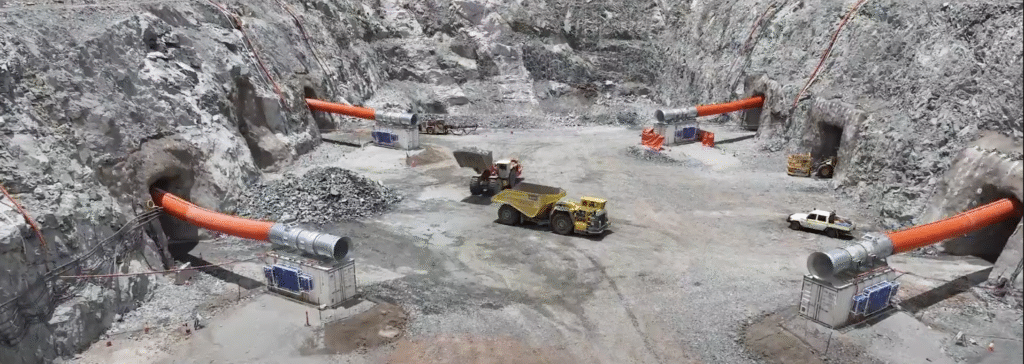
Underground ventilation systems are typically designed with limited configuration capability. But with the rise of electrification and new health and safety standards, the needs around air quality control and airflow adjustment are changing substantially. A system designed for durability includes modular sensors, smart controls and the ability to update the software. Above all, it has to be built to collect performance data — airflow, pressure, energy consumption and so on — or at least make that collection easy, so AI can analyse the trends, anticipate failures and optimize availability.
The same goes for conveyor gearboxes, for example. This equipment is essential to moving ore and takes heavy wear. A durable design favours a modular architecture, where critical components can be replaced or upgraded without changing the whole unit. But the real value is in the data: vibration, temperature, lubrication and load sensors have to be built in to create a continuous flow of information. Once structured, that data can be used by AI to trigger predictive maintenance, avoid unplanned stoppages and extend the equipment’s service life.
Innovation strategies for mining equipment
For equipment manufacturers, adopting a technological durability strategy means rethinking how equipment is designed, deployed and supported. The key is the ability to design machines as intelligent data sources. Equipment that doesn’t collect and structure information loses much of its value. Conversely, equipment able to generate usable data becomes a competitive lever for the mine and positions the supplier as a strategic partner.
This approach also means investing in open architectures able to exchange with existing systems (ERP, CMMS, analytics platforms, and so on). And finally it requires constant support: team training, regular updates to embedded software, and technical and strategic support suited to the realities of the field.
A pragmatic roadmap for implementation
The move toward durable, data-generating equipment needs a clear roadmap. It makes sense to start with a targeted pilot project, such as installing a test smart ventilation system in an underground drift. That pilot makes it possible to show that collecting and analysing data with AI really does cut stoppages, optimize energy and improve safety.
Suppliers then need implementation programs so that mining teams know how to interpret the information coming off the sensors and act on the recommendations attached to it. Finally, solid governance has to be put in place to guarantee data quality and security, along with transparency around updates and maintenance.
Competitiveness and durability
By designing physical equipment able not only to last but also to generate structured data, suppliers give mining companies a double advantage: better asset availability, and a stronger ability to anticipate thanks to AI. This approach turns equipment into a digital asset, where every machine becomes a continuous source of value.
Mining companies are looking for reliable partners who let them reconcile productivity, safety and sustainability. Suppliers able to deliver equipment that evolves won’t just be selling machines — they will contribute directly to the mine’s overall performance and competitiveness.